
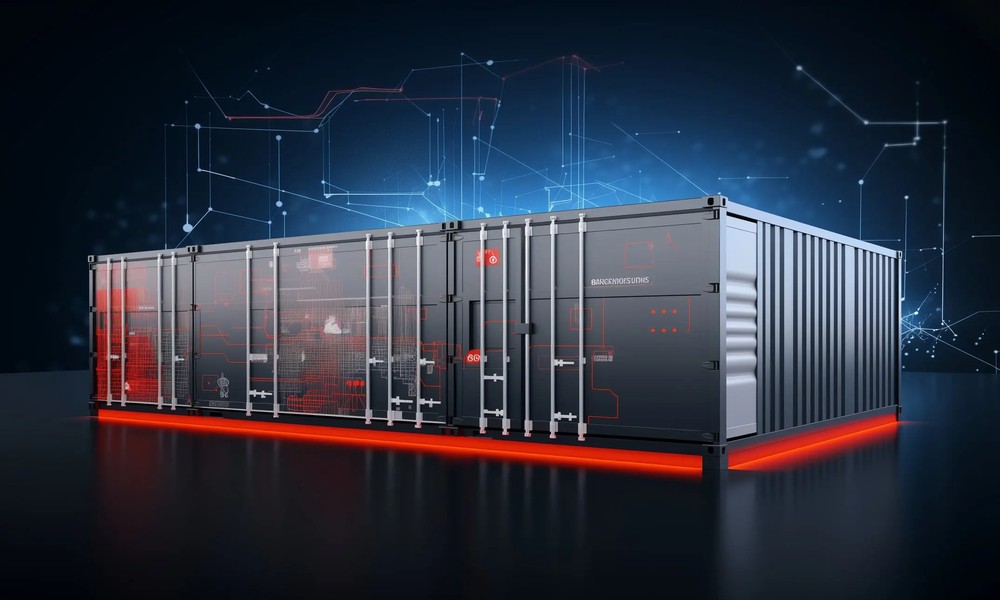
What will outlast the rapid evolution of technology: modular data centers or traditional, custom-built facilities? For organizations investing millions into mission-critical infrastructure, longevity is not just a buzzword, it’s a lifeline.
What Defines Longevity in Data Center Design?
Longevity in the data center world means more than just a building standing for decades. It’s about supporting current needs and adapting to future requirements with minimal disruption. True longevity balances physical durability, technology flexibility, and cost-effective operations throughout the lifespan of the facility.
How Do Modular Data Centers Differ from Traditional Builds?
Key Characteristics of Modular Data Centers
Modular data centers are constructed using pre-fabricated, standardized components that can be easily assembled, expanded, or reconfigured. These units, ranging from containerized data halls to scalable power and cooling modules, are designed for rapid deployment and future growth.
Core Features of Traditional Data Center Construction
Traditional builds, in contrast, are typically one-off projects tailored to a client’s precise needs at the time of construction. These facilities are usually larger, with fixed walls, foundations, and custom-integrated mechanical and electrical systems. Upgrading or expanding these sites often requires significant time and expense.
What Are the Longevity Benefits of Modular Data Centers?
Scalability and Future-Proofing
The ability to scale up or tune capacity as demand grows is a defining strength of modular design. Organizations aren’t locked in to their initial footprint; instead, they can add new modules without major renovations. This not only extends the useful life of the facility but also keeps it relevant as technology and business needs evolve.
Maintenance and Upgrade Flexibility
Maintenance downtime can cripple operations. Modular centers allow individual components or systems to be upgraded without impacting the entire facility, minimizing disruption and reducing the risk of obsolescence.
Impact of Modularity on Lifecycle Costs
Spread-out capital expenditures and optimized energy use are key economic benefits. By only investing in what is needed now, organizations avoid overbuilding and underutilization, leading to lower total cost of ownership over time.
How Does Traditional Data Center Design Support Long-Term Use?
Durability of Custom-Built Infrastructure
Traditional builds excel in robust, tailored construction. Reinforced structures, custom power distribution, and engineered cooling systems are designed to last decades, often outliving the generational leaps in IT equipment.
Stability of Established Power and Cooling Systems
With proven infrastructure, traditional data centers can deliver consistent, reliable performance. Their integrated systems are tested over time, providing a sense of operational security.
Challenges in Adapting to Technological Advances
One downside is rigidity. Retrofitting older facilities to support new higher-density hardware or green energy systems can be costly and sometimes technically unfeasible.
How Does the Stendel + Reich Modular Data Center Exemplify Longevity?
The Montreal-area data center designed by Stendel + Reich data center architect offers a compelling case study. Built to Uptime Institute standards between class 2 and 3, this 109,000-square-foot facility was developed specifically for a 20-year operational horizon.
Design Features Supporting 20-Year Operational Needs
Modularity is at the core: the architecture allows for phased expansion and adaptation, matching the client’s evolving requirements over two decades rather than locking them into a static design.
Power Autonomy and Resilience Solutions
The installation of a complex generator system enables up to 48 hours of autonomous operation, significantly raising resilience against grid failures.
Cleanroom and Equipment Modularity
A substantial 35,000-square-foot cleanroom and customizable equipment modules ensure that specialized, high-value functions can evolve without major reconstruction.
What Are the Risks and Limitations of Each Approach Over Time?
Potential Pitfalls in Modular Design Longevity
Modular systems may face compatibility issues as technology standards evolve, or limitations in supporting hyper-dense deployments. The physical life of individual modules may also be shorter than a solidly built traditional shell.
Longevity Challenges in Traditional Data Centers
Traditional facilities risk becoming technologically obsolete, especially if constructed with inflexible infrastructure. Adapting them for new cooling methods, alternative energy, or higher-density equipment can be expensive or disruptive.
Which Design Offers Better Longevity for Different Use Cases?
| Use Case | Modular Data Center | Traditional Data Center |
|————————–|————————-|—————————|
| Enterprise-scale, stable demand | Stable but can be overbuilt | Excellent for fixed, long-term loads |
| Rapid deployment, variable demand | Ideal, add capacity as needed | Slower to adapt, higher initial cost |
| Technology change tolerance | High, upgrade by module | Low, retrofitting is complex |
| Lifecycle cost | Lower with phased builds | Higher upfront, variable over time |
What Are Future Trends Impacting Data Center Longevity?
Sustainability requirements, edge computing, and the relentless pace of IT innovation will test both models. Modular design is currently better positioned to pivot as new technologies and regulations emerge, but traditional facilities remain unmatched for ultra-high-security, custom environments.
When the dust settles, longevity isn’t just about how long a building stands, but how well it adapts to change. For most organizations, modularity has the edge, especially when guided by experienced teams like Stendel + Reich data center architect. Yet, there will always be room for traditional builds where maximum durability and bespoke solutions are paramount. The real question for stakeholders: how much change is your future likely to bring?
